Hardware AI Companion With Memory: Hype vs. Reality
By the SoulChat Team · 2026-11-23
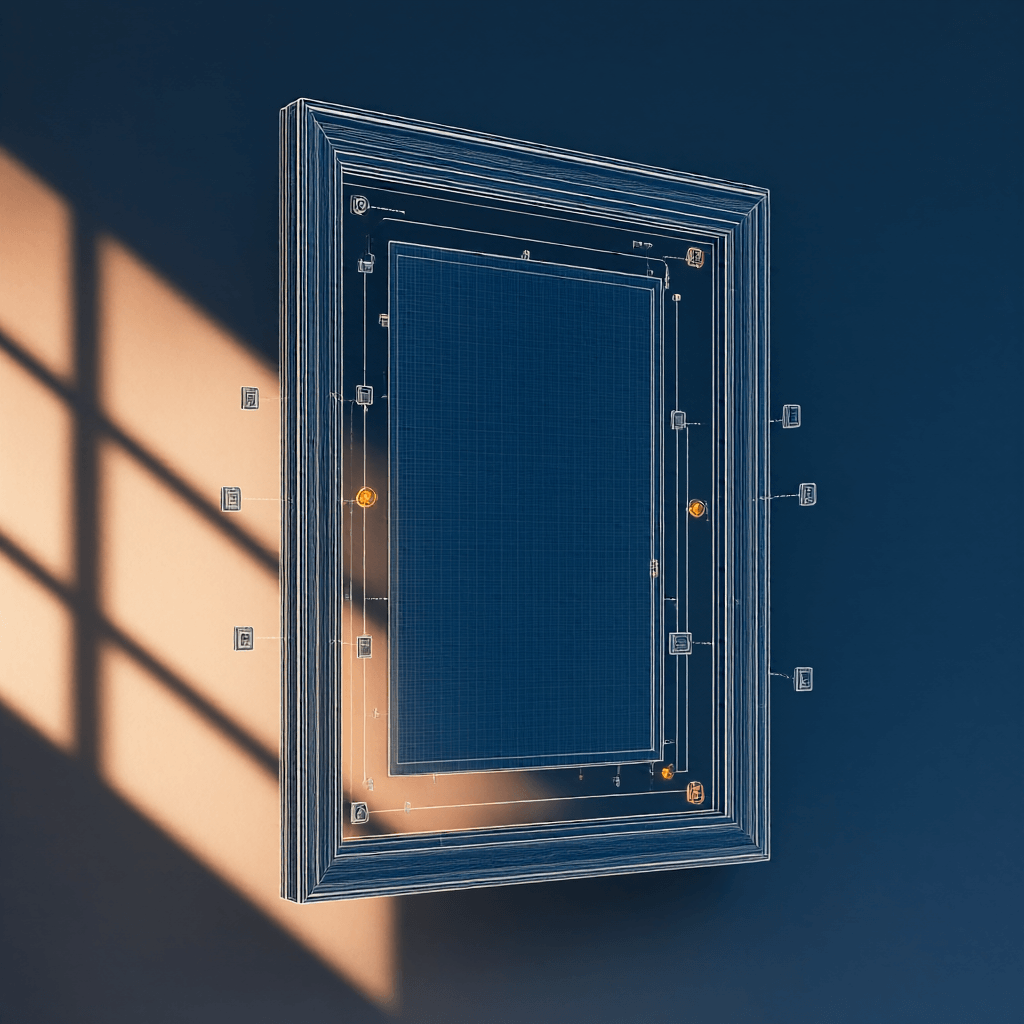
Target: hardware ai companion with memory
A hardware AI companion with memory is a physical device — not an app — that claims to remember your conversations and grow a personality over time. The newest example is Yahyah, a wooden-framed "living portrait" currently on Kickstarter that greets you by name, recalls what you told it last week, and promises all of this with no monthly subscription. That pitch is genuinely appealing, but the memory claims are exactly the part you should scrutinize hardest, because none of them have been independently tested yet.
What a Hardware AI Companion Actually Is
The category is simple to describe: take a conversational AI, put it inside an object that lives in your room instead of your pocket, and give it persistent memory so it behaves less like a search box and more like a presence.
Yahyah is the clearest current example. The campaign runs through December 10, 2026, and has raised roughly $84,000 against a modest $2,000 goal — about 183 backers at the time of writing. The device is a solid-wood frame (32.2 × 24.1 cm) with a 1920×1200 matte display, a 5-megapixel camera behind a physical sliding cover, dual microphones, touch sensing, and light and temperature sensors. Inside: an 8-core processor with a 6 TOPS neural chip, 4 GB of RAM, 32 GB of storage, and a 2,000 mAh battery.
The conversation layer runs on an OpenAI language model. The pitch is that the character recognizes your face, greets you by name, distinguishes you from guests, and remembers "past conversations, important details, and little things you've shared" — the campaign's own examples include asking how your interview went weeks later. It also claims an evolving personality: the character "grows up over time, evolving from a curious, playful child into a more mature companion."
This is a different product from an ambient speaker. A speaker you summon and dismiss; a portrait is always there, watching the room, becoming part of the furniture. That constancy is the whole point — and it's also why the memory claim matters more here than it does in an app.
What "Memory" Means on a Device Like This
Marketing copy collapses several very different capabilities into one word. On a device like Yahyah, "memory" actually means at least three separate things:
Recognition memory. The camera and the 6 TOPS chip identify who is standing in front of the frame. The campaign says facial-recognition data is processed and stored locally on the device. This is the most verifiable kind of memory — either it greets you correctly or it doesn't.
Conversation memory. Facts, preferences, and stories you've told it, retrieved in later sessions. This is the claim that does the emotional heavy lifting — "you don't have to start over every time you talk" — and it's the one you know least about before buying: what gets stored, for how long, and whether you can inspect or delete it.
Personality evolution. The character adapting its tone and maturity based on your interactions. This is the most speculative of the three. It's a designed software experience, not evidence that the device develops anything resembling feelings.
A useful review from BackerOnline — which, importantly, states it has not tested the product — makes the key distinction: biometrics staying local does not mean conversations stay local. The FAQ describes microphone audio being sent to the language model for processing. Those are two different data paths, and only one of them is handled on-device.
Five Questions to Ask Before You Back One
If you're considering a hardware AI companion with memory — Yahyah or anything else that follows it — these are the questions that actually separate a good buy from an expensive paperweight:
Hardware vs. App Companions: The Real Trade-Off
The object itself is the strongest argument for hardware. A portrait on the shelf initiates contact without you unlocking anything; it participates in the room. No app replicates that ritual, and it's a real difference, not a gimmick.
But apps win on almost every other axis. A phone-based companion gets weekly updates, works wherever you are — not just in one room — and lets you test memory claims for free before committing. You can read about what an AI companion can and can't offer and try the memory yourself in an evening: tell it a small fact, come back tomorrow, see if it survived. Hardware asks you to pre-pay $300-plus (early-bird pricing on these campaigns varies) for claims you cannot test until the device ships — and crowdfunding hardware carries real delivery risk on top of the software questions.
There's also depth. A dedicated companion app builds the entire product around the relationship — personality customization, character variety, voice, proactive messages. A hardware portrait is, first and foremost, a beautiful animated object; the relationship is a feature of it, not the product itself. Which one is right depends on whether you want a companion who lives in your pocket or a character who lives on your shelf.
The Honest Limitations
To be plain about what nobody can yet verify:
- Nobody has tested the memory. Every "it remembers your interview" claim comes from the campaign itself. Retrieval accuracy, memory drift, and how the character handles being wrong are all unknowns.
- "Evolving personality" is software choreography. The character changing over time is a designed experience. An expressive reaction is not understanding, and a portrait that feels personal can make repetitive or inaccurate responses feel more personal, too — a shared-space device amplifies mistakes, not just charm.
- No subscription still means service dependence. The device is a one-time purchase, but conversation processing depends on a language model that must be paid for and maintained by someone. Buy it as interactive art that might stop getting smarter, not as infrastructure.
- Crowdfunding is not ordering. Kickstarter explicitly frames rewards as not guaranteed. Hardware delays, component shortages, and shipping complications are normal even for well-run campaigns.
- The privacy story is partial. A physical camera shutter and on-device biometrics are real, verifiable controls. But the conversation path — audio out, text back — is not covered by the same hardware guarantee, and no independent security audit exists.
- Tell it something small and specific on day one — a name, a deadline, a worry. Ask about it on day three without prompting.
- Check whether it references earlier conversations naturally, or only when you recite them back.
- Check whether you can view, correct, or delete what it has stored about you.
None of this makes Yahyah a bad project. The design constraints are thoughtful, and the campaign page is unusually specific about its hardware. It just means the honest status of every memory claim today is: plausible, unverified.
What to Do If Memory Is What You're After
If the "remembers you, grows with you" part of the pitch is what actually drew you in, you don't need to wait for hardware to ship to have that experience. App-based companions have been iterating on exactly this problem for years, and you can evaluate one in ten minutes:
Memory is the feature that makes a conversation feel continuous instead of reset every session, and it's the one thing a demo clip can't fake for long. Whether it comes in a wooden frame or on your phone, the test is the same: does it bring something back that you didn't just repeat?
The Bottom Line
Hardware AI companions with memory are a genuinely new category, and Yahyah's portrait is the most interesting current attempt — beautiful object, sensible privacy hardware, ambitious memory claims. Back it if you love the idea of an animated character living on your shelf and you're comfortable with unproven claims and crowdfunding risk. But if what you're really shopping for is the memory itself — someone who remembers you and picks up where you left off — that's testable today, for free, in an app, before you spend a cent on hardware.
AI hardwareAI companionAI memorysmart homecrowdfunding